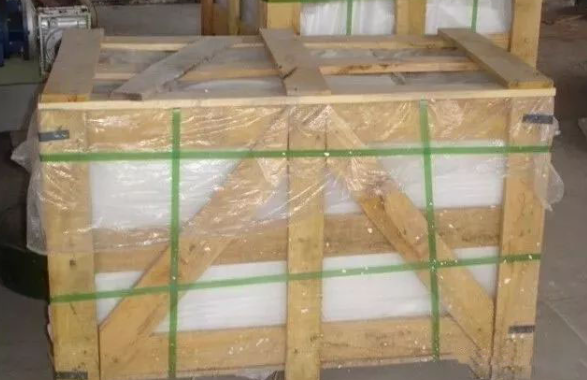
Comprehensive Guide to Overseas Packaging and Transportation of Marble Slabs
As a high-value and fragile building material, marble slabs require both protective performance and compliance in overseas transportation, with strict control over packaging and transportation details throughout the entire process.
In the packaging phase, a "Three-Layer Protection System" must be adopted:
For the inner layer: Wrap the surface of the marble slab with pearl cotton first, and install custom foam corner protectors at the edges to prevent collision damage during handling.
For the middle layer: Cover the slab with 5mm-thick hard cardboard, and reinforce it with high-strength tape in a "well" (#) pattern to avoid cardboard displacement.
For the outer layer: Use 15mm-thick plywood to make custom wooden crates. Fill the crates with moisture-proof desiccants, and mark internationally recognized warning signs such as "Fragile", "This Side Up" and "Keep Dry" on the crate surfaces. This ensures that operators in cross-border transportation clearly understand the protection requirements.
In the transportation phase, two key points require focus:
Select logistics providers with qualifications for bulk cargo transportation. Prioritize container sea shipping, and use wooden battens to fix the wooden crates inside the containers to prevent slab sliding caused by ship turbulence.
Complete commodity inspection and customs declaration procedures in advance. Provide documents such as stone radioactivity test reports in accordance with the target country regulations to avoid customs clearance delays.
In addition, real-time tracking of the cargo location should be maintained throughout the transportation process. After delivery, remind the recipient to unpack and inspect the goods on-site—checking for issues such as cracks and edge damage on the slabs—to ensure timely traceability and handling of any problems.
Through scientific packaging and standardized transportation, the damage rate of marble slabs in overseas transportation can be effectively reduced, providing strong support for cross-border trade of building material enterprises.